Understand
Clarify the issue, goals, context, constraints, and desired outcome through initial stakeholder discussion.
-reverse.svg)

Organizations evolve over time. As strategies shift and the environment changes, teams adapt—adding roles, adjusting workflows, introducing tools, and strengthening controls. These changes are often necessary and sensible in the moment. Over time, however, some pieces no longer fit together as cleanly as they once did.
Our Organizational Model Advisory helps you reconnect the pieces so the organization operates as a coherent whole—efficiently, sustainably, and in line with what you are trying to achieve.
This framework highlights five elements that must work together:
Strategy sets direction. People, Process, and Systems enable execution; Governance provides guardrails.
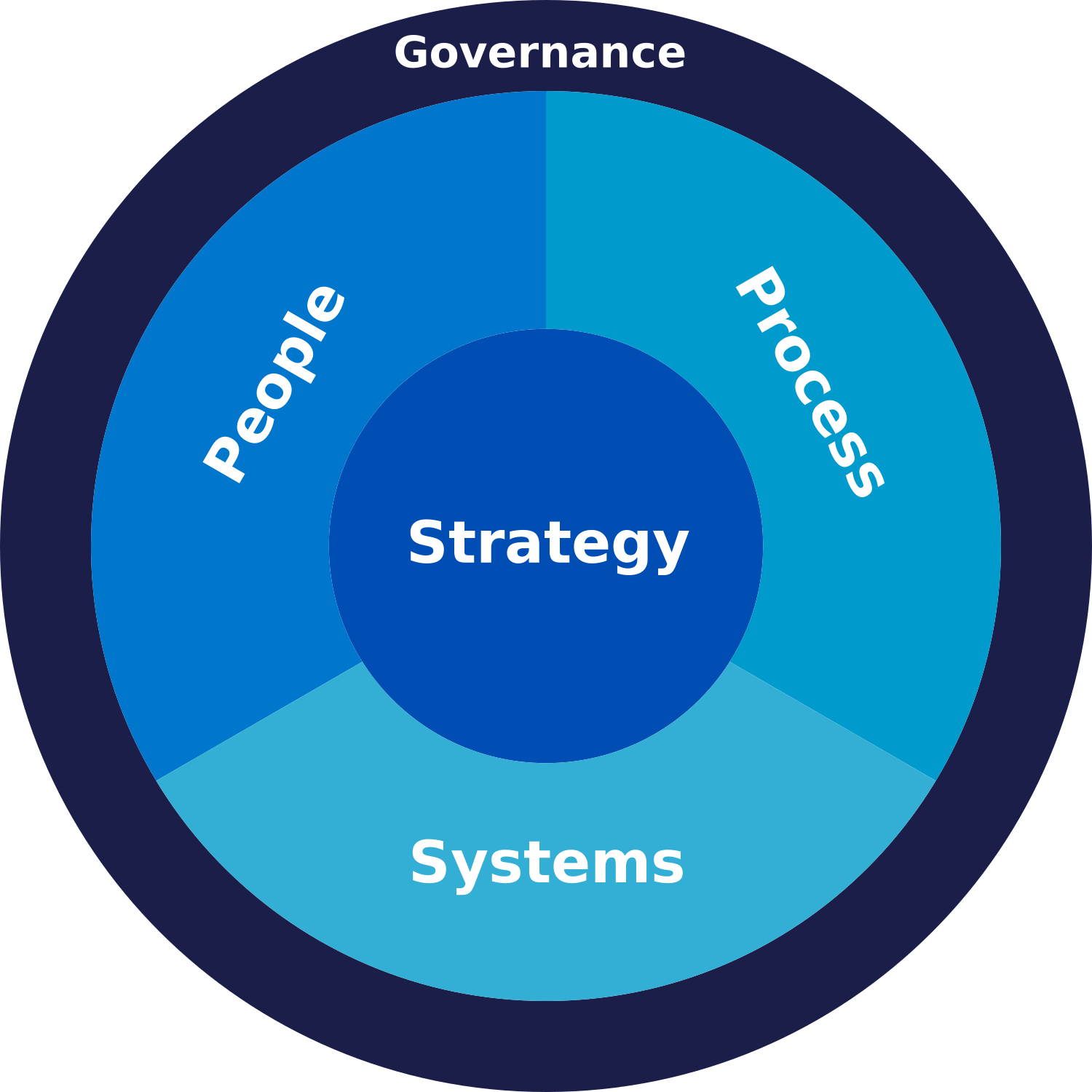
Strategy sets direction and trade-offs—what to prioritize, how to allocate resources, and what success looks like.
Key alignment areas include:
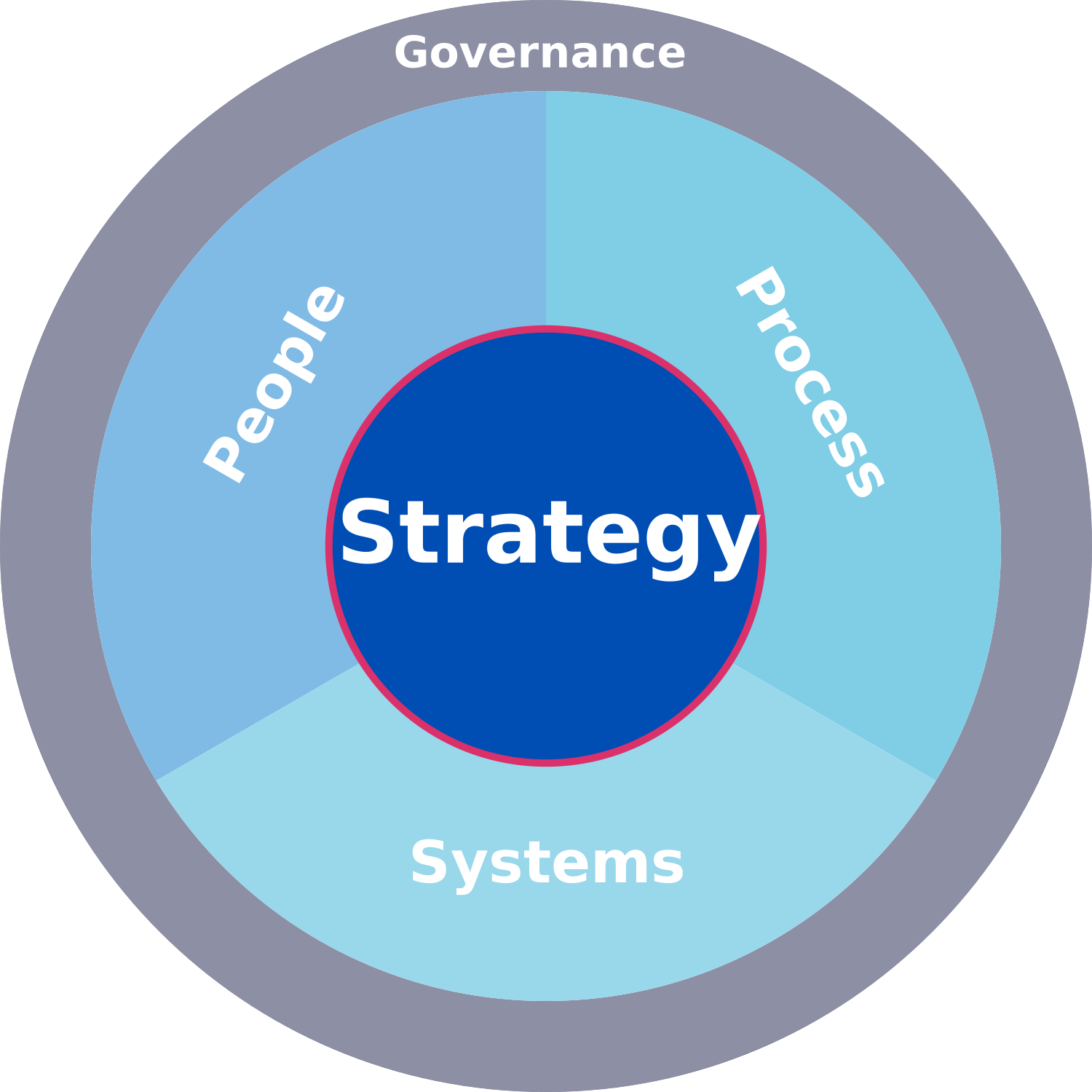
People is about ensuring the right work is owned and delivered by the right roles—with clear accountability and the capabilities to execute.
Key alignment areas include:
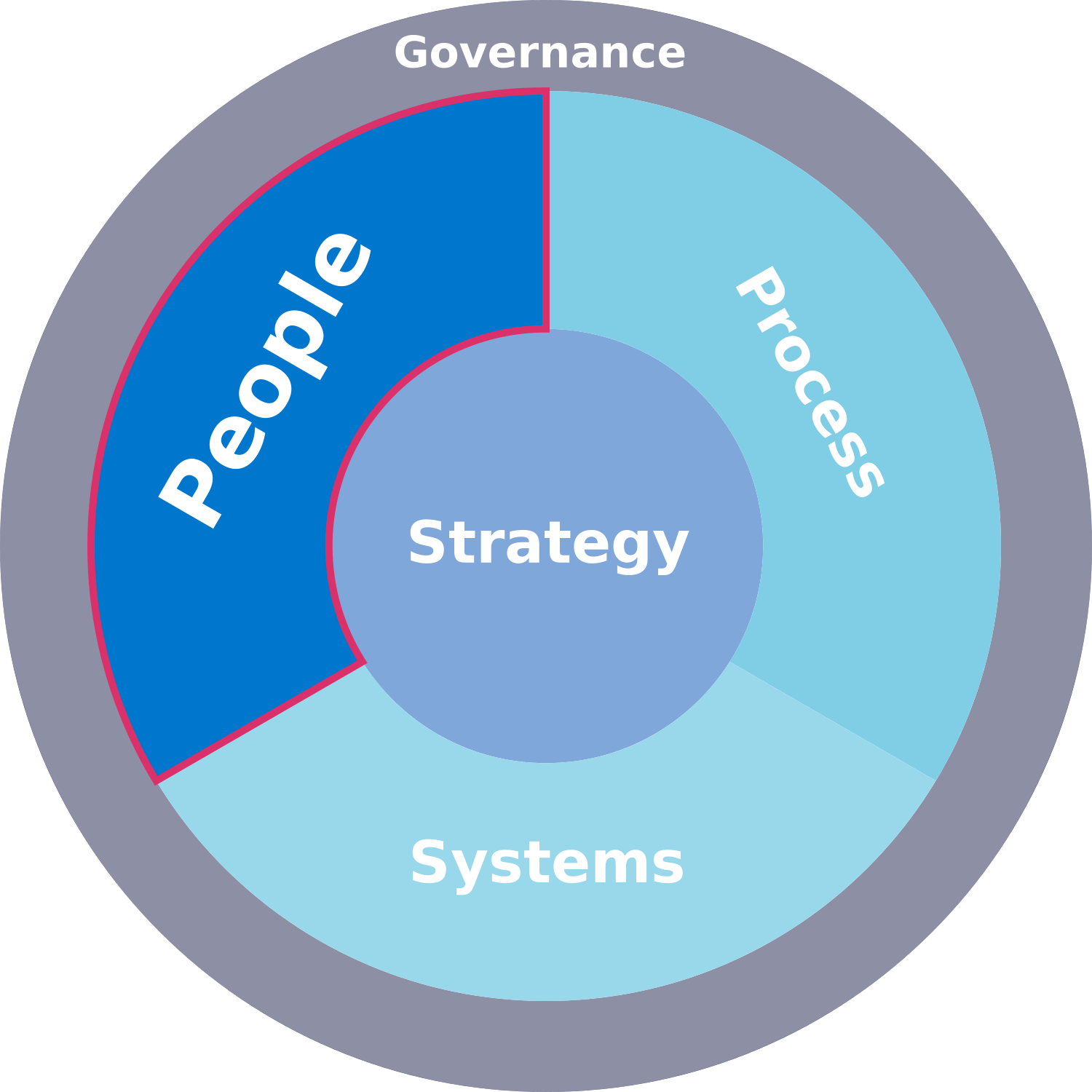
Process is how work flows across teams to produce consistent outcomes—efficiently and repeatably. As organizations evolve, processes are often adapted locally to solve real issues. Over time, variations accumulate: similar work gets done in different ways, hand-offs multiply, and steps that were once necessary may remain long after conditions have changed.
Key alignment areas include:
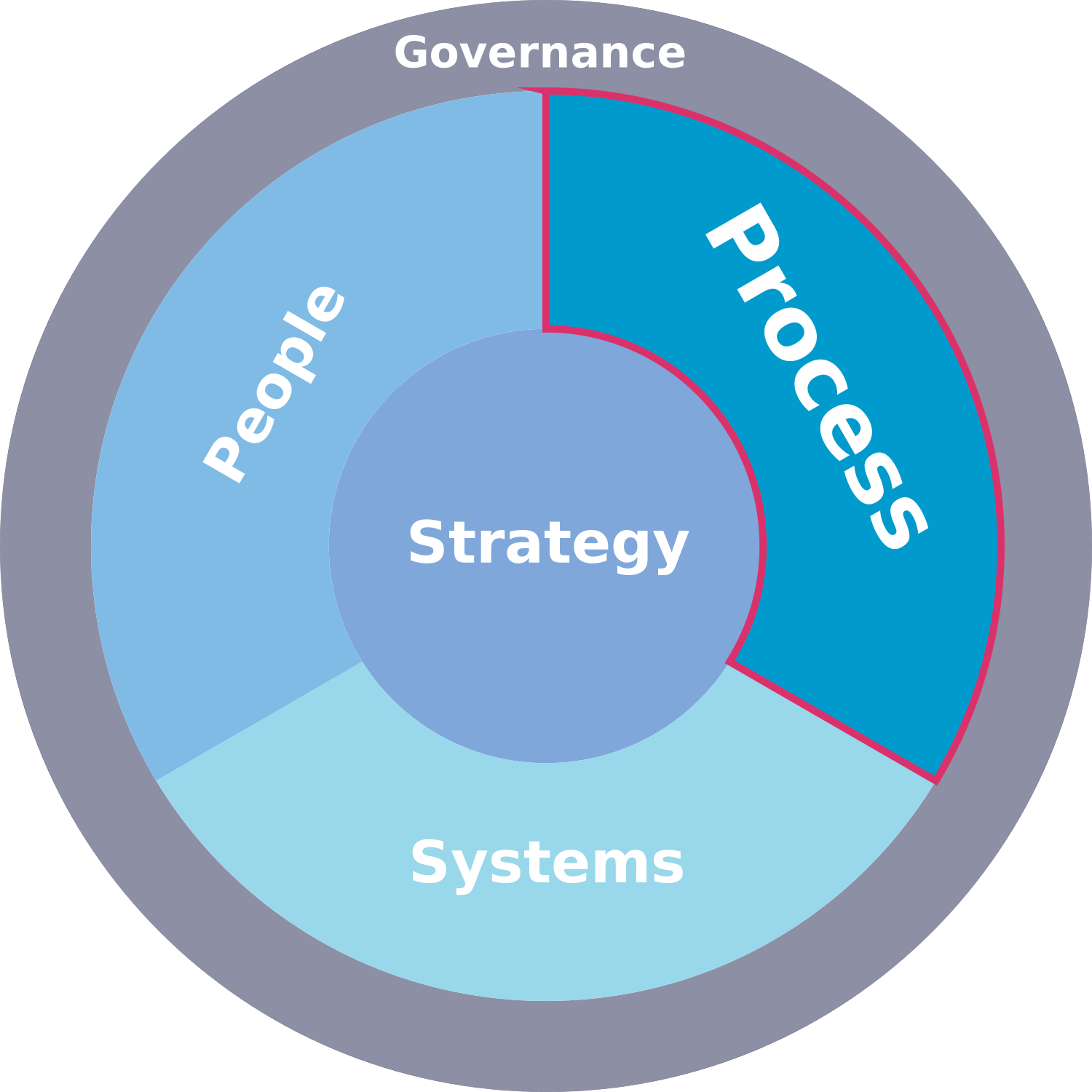
Systems are the tools, data, and supporting infrastructure that enable execution and visibility. As organizations evolve, overlaps and gaps can emerge—creating manual work, inconsistent information, and friction for teams.
We help you improve system enablement without heavy infrastructure change—by clarifying requirements, identifying practical improvements, and strengthening adoption so your tools support the operating model rather than constrain it.
When deeper platform changes are needed, we can help define the roadmap and work with your internal teams or vendors.
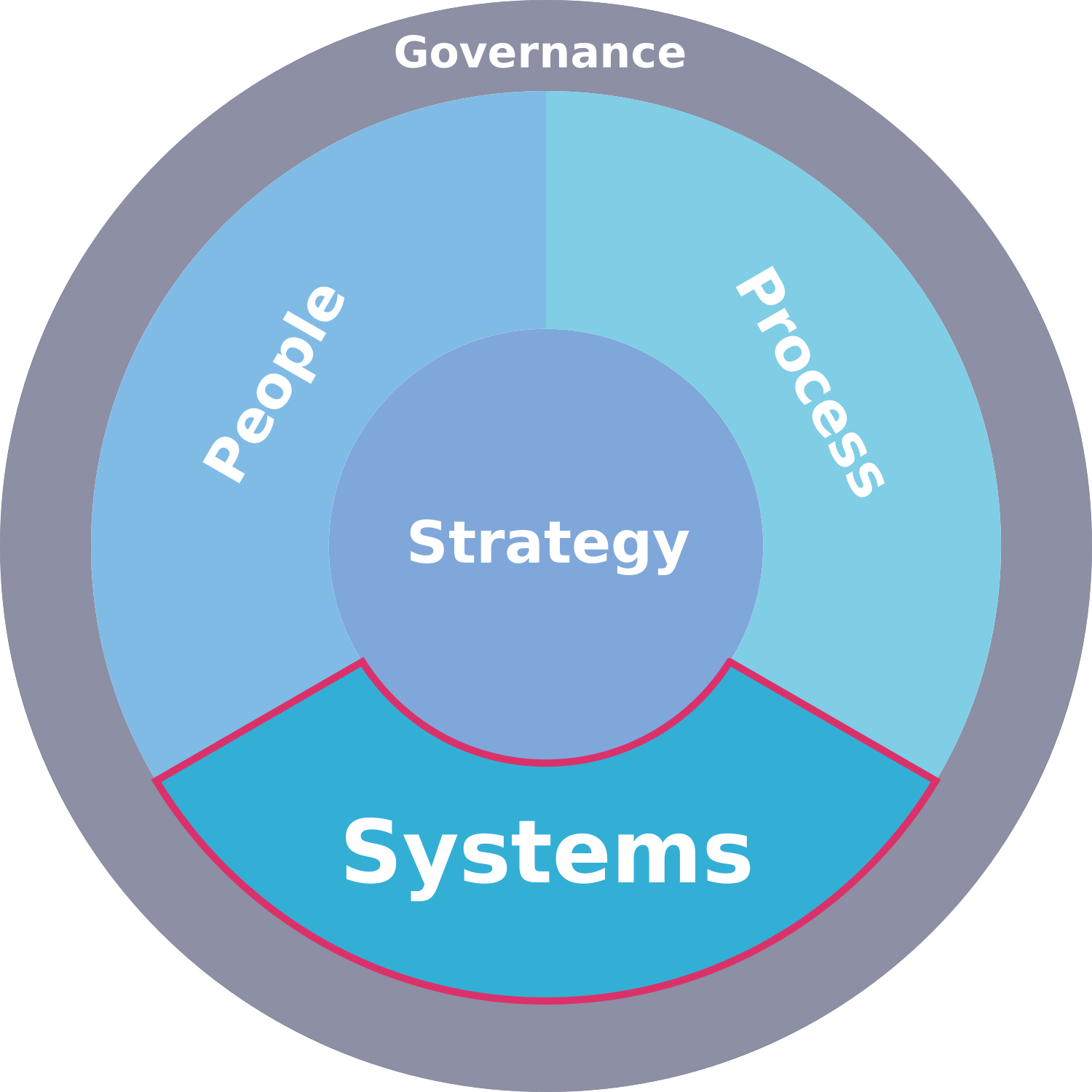
Governance provides the guardrails that protect the organization while enabling progress. It includes external obligations and internal standards, such as:
As organizations grow, governance often expands in response to real risk and new requirements. Over time, it can become fragmented, inconsistent across teams, or heavier than intended. We help clarify governance and embed it into day-to-day ways of working so compliance is reliable without creating unnecessary friction.
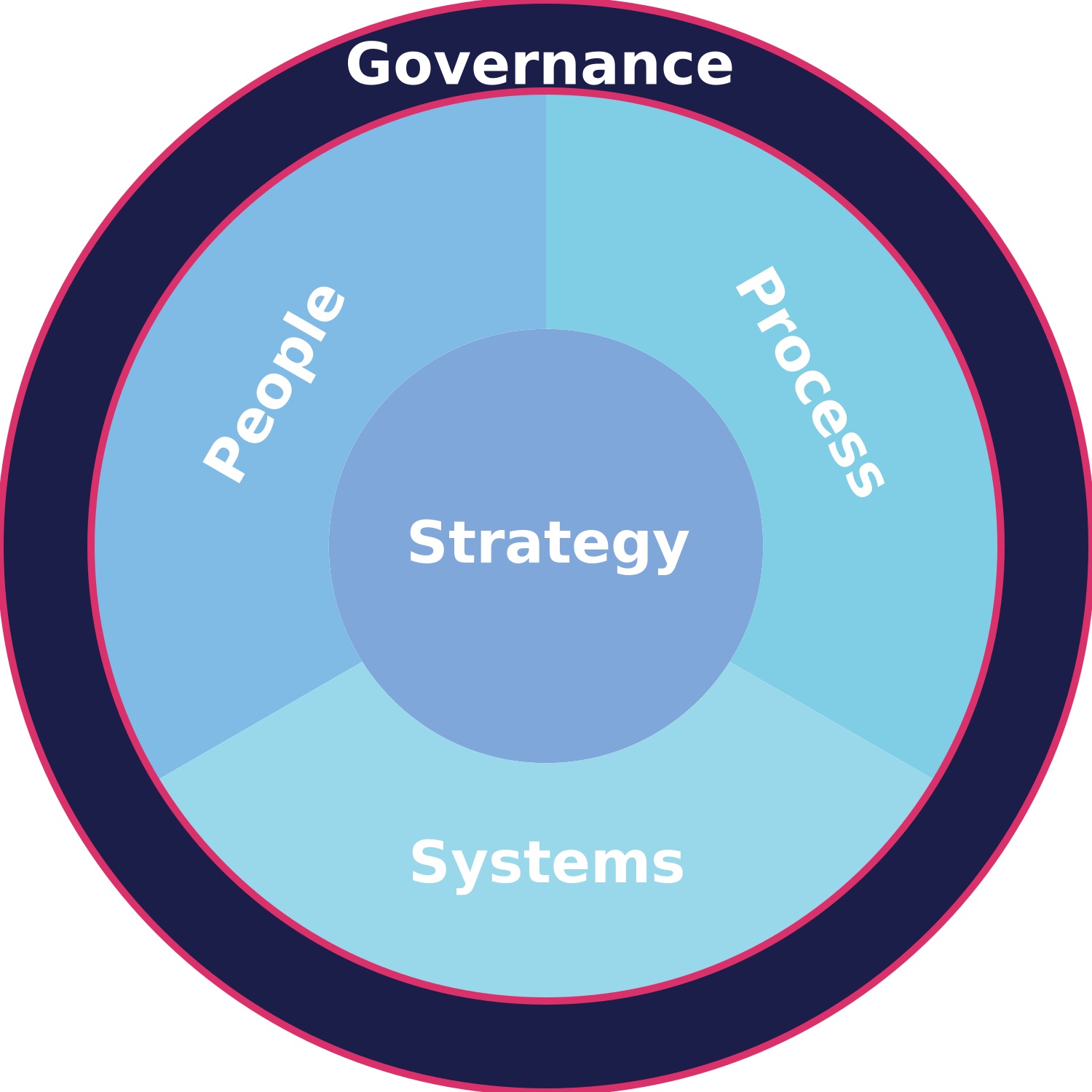
Organizational Model Advisory is intended to create practical clarity, not just analysis.
By reviewing how strategy, people, process, systems, and governance fit together, we can identify where the organization is aligned, where friction exists, and what needs to change.
Some improvements may be handled through day-to-day management, process refinement, role clarification, governance adjustment, or better use of existing systems. In some cases, the improvement may be significant enough to become a formal initiative or project.
We use a practical, transparent approach to move from unclear issues to structured action. The work typically follows three steps: Understand, Assess, and Deliver.
Clarify the issue, goals, context, constraints, and desired outcome through initial stakeholder discussion.
Validate the situation, review selected materials, identify gaps, and define a practical work plan.
Carry out the agreed advisory work, maintain visibility, and develop recommendations progressively.
We keep the work visible through regular progress updates and progressive development of the final report, so clients can confirm direction, respond early, and avoid late surprises.
Formal deliverables are typically prepared in English, while interviews, discussions, and written input can be in either English or Japanese depending on the client's needs and stakeholder mix.
If your organization is experiencing friction between strategy, people, process, systems, or governance, let's discuss whether a focused assessment is the right next step.
Contact Us